Railroad Dispatching in the United States: Structure, Responsibility, and Regulatory Oversight Railroad dispatching
This is a subtitle for your new post

Railroad Dispatching in the United States: Structure, Responsibility, and Regulatory Oversight
Railroad dispatching in the United States operates within a structured regulatory and operational framework that has evolved over more than 170 years. While technology has changed dramatically, the core responsibility of the dispatcher remains the same: safe and efficient control of train movement.
The Dispatcher’s Role in U.S. Rail Operations
In most freight rail operations, dispatchers are responsible for:
• Issuing movement authorities
• Managing track occupancy
• Coordinating meets and passes
• Protecting maintenance-of-way activities
• Maintaining operating records
On signaled territory, dispatchers control centralized traffic control systems. In dark territory, dispatchers issue track warrants, Direct Traffic Control authorities, or other forms of movement authority under operating rules.
Regardless of territory type, dispatchers function as the traffic managers of the railroad.
Federal Oversight and Regulatory Structure
Railroad dispatching falls under Federal Railroad Administration oversight. While dispatchers are not licensed in the same way locomotive engineers are, their work directly affects compliance with multiple federal regulations, including:
• 49 CFR Part 217 – Railroad Operating Rules
• 49 CFR Part 218 – Railroad Operating Practices
• 49 CFR Part 220 – Railroad Communications
Railroads must maintain documented operating rules, dispatcher instructions, and communication procedures. These rules must be tested, monitored, and recorded as part of ongoing compliance programs.
Dispatching on Short Line and Regional Railroads
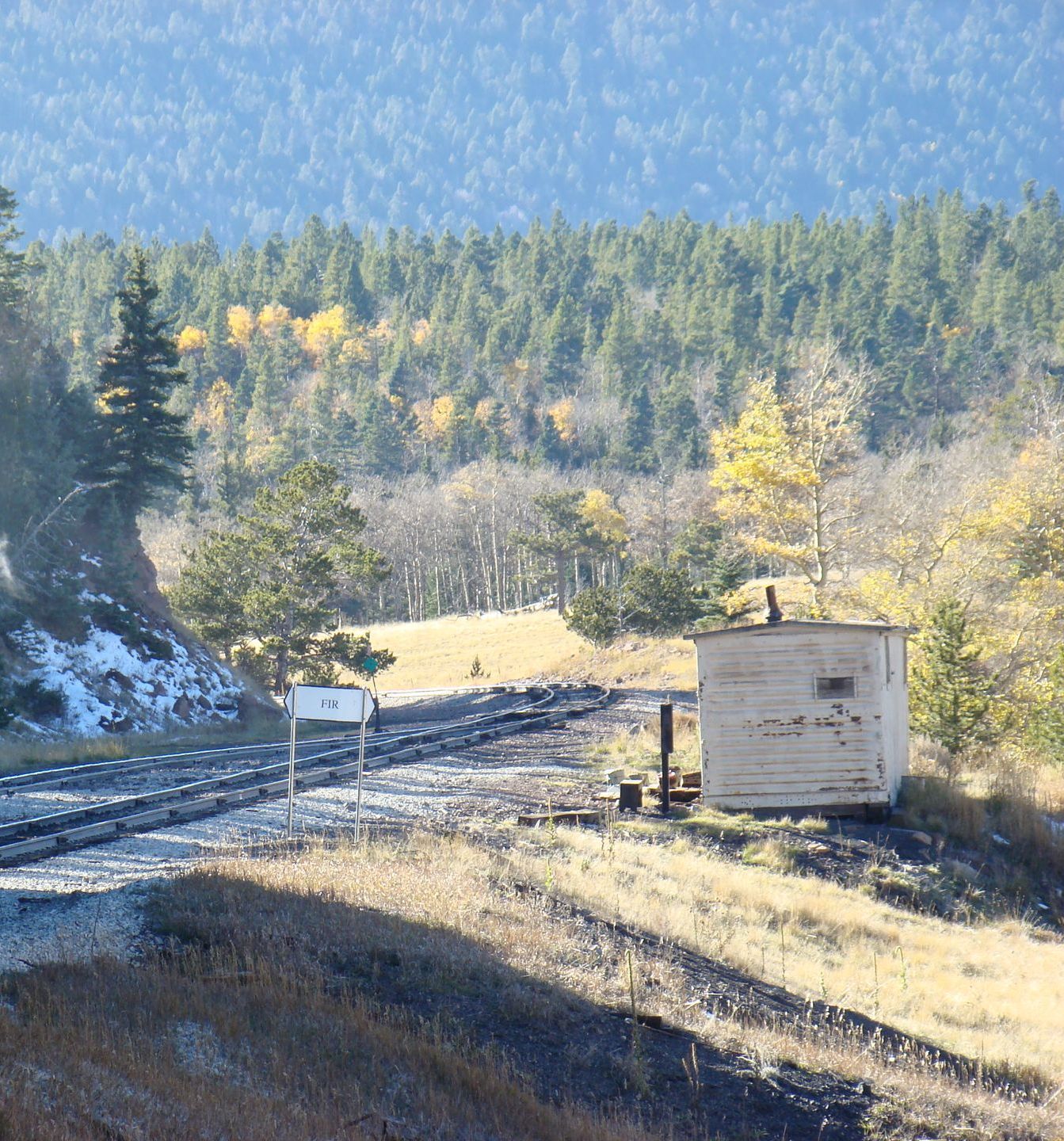
Short line railroads often operate in dark territory without centralized traffic control systems. This places increased importance on:
• Clear authority issuance
• Accurate documentation
• Structured communication procedures
• Defined limits of track occupancy
Unlike Class I railroads, many short lines operate with smaller dispatching teams and limited infrastructure. As a result, procedural clarity and documentation discipline are essential components of safe operation.
The Continuing Evolution of Dispatching
From telegraph train orders to modern digital systems, dispatching in the United States has steadily moved toward increased structure and documentation. While automation and digital tools have improved recordkeeping and situational awareness, the dispatcher’s judgment remains central to railroad safety.
Effective dispatching is not defined by technology alone. It is defined by structured authority control, clear communication, and consistent documentation practices.